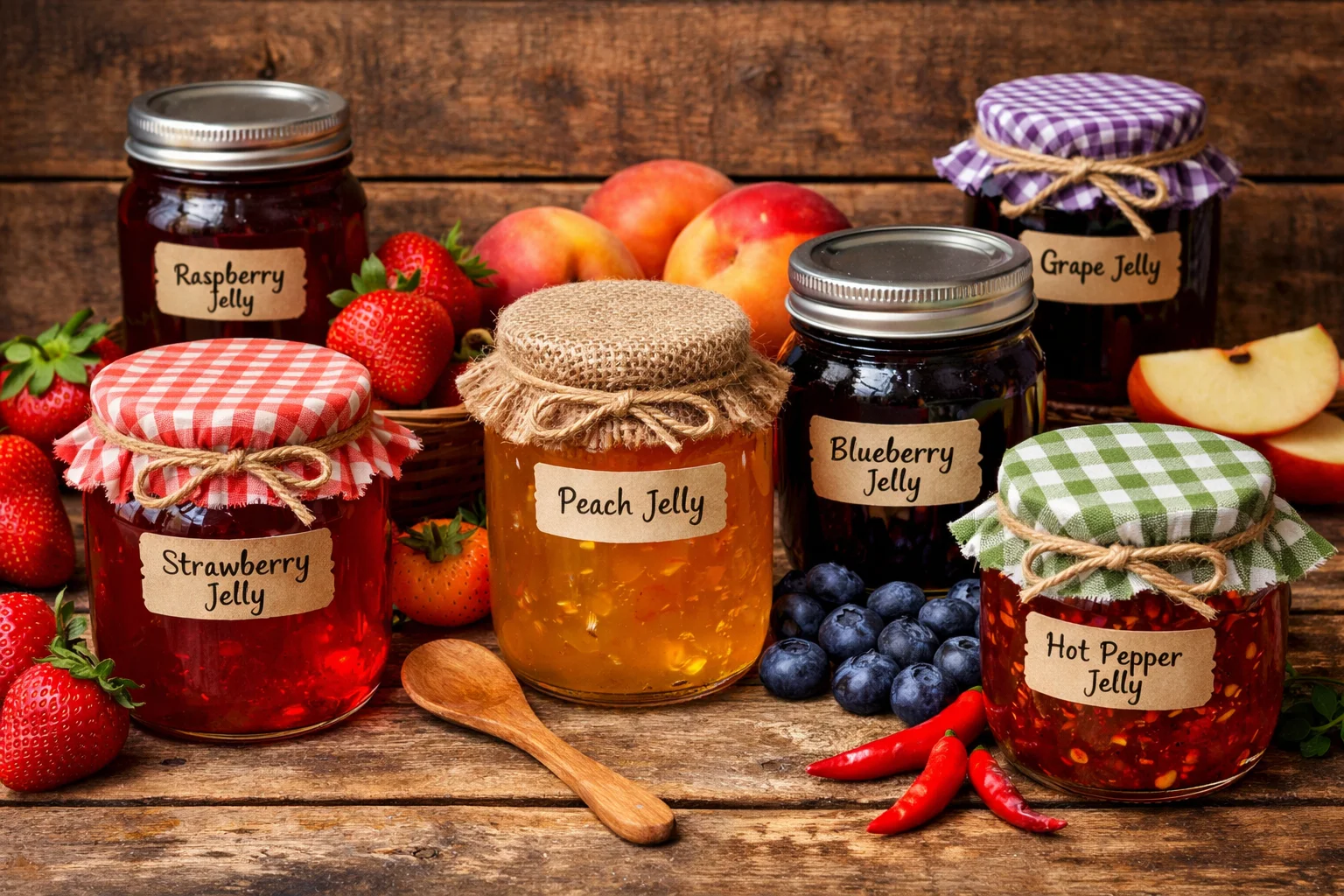
Welcome to RecipesJelly.com, your go-to resource for all things related to jelly recipes. Whether you are a seasoned home cook or a beginner eager to explore the world of sweet spreads, this comprehensive guide will provide you with everything you need to know about making delicious homemade jelly. From understanding the basics of jelly-making to discovering innovative recipe variations, we have you covered. Let’s delve into the art of crafting perfect jelly that will tantalize your taste buds.
Introduction to Jelly Recipes
Jelly, a delightful fruit preserve, has been a staple in kitchens around the world for centuries. With its smooth texture and vibrant flavors, jelly is not only a popular spread for toast and pastries but also an essential ingredient in various culinary creations. At RecipesJelly.com, we believe that making jelly should be an enjoyable and rewarding experience. In this guide, you’ll find a wealth of information, from classic fruit jellies to modern vegan and sugar-free alternatives. Let’s embark on this delicious journey together!
Types of Jelly
Fruit-Based Jellies
Fruit-based jellies are the most traditional and widely loved variety. They are made by cooking fruit juice with sugar and pectin to achieve a smooth, set consistency. Popular fruits for jelly-making include strawberries, raspberries, apples, and grapes. These jellies capture the essence of the fruit, offering a burst of flavor with every bite.
Gelatin-Free Options
For those who prefer plant-based alternatives, gelatin-free jellies are an excellent choice. These jellies rely on natural pectin derived from fruits like apples and citrus instead of animal-based gelatin. The result is a delectable jelly that is suitable for vegans and vegetarians, without compromising on texture or taste.
How to Make Jelly at Home
Ingredients Needed
Creating homemade jelly is a straightforward process that requires a few key ingredients:
- Fruit Juice: The base of any jelly, choose fresh or frozen fruit juice for the best flavor.
- Sugar: Essential for sweetness and preservation.
- Pectin: A natural thickening agent that helps jelly set properly.
- Citric Acid: Enhances flavor and preserves color.
- Water (if needed): To adjust the consistency.
Step-by-Step Instructions
- Prepare the Fruit Juice: Start by extracting juice from your chosen fruit. If using whole fruits, crush them and strain through a fine mesh sieve to remove pulp and seeds.
- Measure Ingredients: For every four cups of juice, you’ll need about 3 cups of sugar and 1.5 tablespoons of pectin.
- Cook the Mixture: In a large pot, combine the fruit juice, sugar, and pectin. Bring the mixture to a boil over medium heat, stirring constantly.
- Test for Setting Point: To ensure your jelly sets perfectly, perform a “wrinkle test.” Place a small plate in the freezer. Once your jelly reaches 220°F (104°C), drop a spoonful onto the cold plate. If it wrinkles when pushed with a finger, it’s ready.
- Pour and Seal: Carefully ladle the hot jelly into sterilized jars, leaving about 1/4 inch of headspace. Seal with lids and process in a boiling water bath for 10 minutes to ensure proper preservation.
Tips for Perfect Jelly
- Use Fresh Ingredients: Fresh fruit juice yields the best flavor. If using frozen fruit, ensure it’s fully thawed before juicing.
- Sterilize Jars: Properly sterilized jars are crucial for preventing spoilage. Boil jars and lids for at least 10 minutes before use.
- Adjust Sweetness: Taste your fruit juice before cooking and adjust sugar levels to suit your preference.
Common Mistakes to Avoid
- Overcooking: Excessive cooking can lead to an overly hard jelly. Monitor the temperature closely.
- Incorrect Pectin Use: Follow the recommended pectin measurements for the best results.
- Skimping on Sugar: Sugar is essential for setting and preservation. Reducing sugar too much can affect the final product’s texture.
Jelly Recipe Variations
Vegan Jelly Recipes
Vegan jellies are crafted without any animal-derived ingredients. Use fruit juices rich in natural pectin, such as apple or cranberry, and add a plant-based thickener like agar-agar for a gel-like consistency.
Sugar-Free Jelly Recipes
For a healthier twist, sugar-free jellies use natural sweeteners like stevia or honey. These alternatives not only reduce the calorie content but also provide a unique flavor profile.
Serving Suggestions and Pairings
- Breakfast Delights: Spread jelly on toast, bagels, or pancakes for a sweet start to your day.
- Cheese Pairings: Complement your cheese platter with fruit jellies. The sweet-tart contrast enhances the flavors of cheeses like brie and cheddar.
- Dessert Toppings: Drizzle jelly over ice cream or cheesecake for an added burst of flavor.
Innovative Uses of Jelly
- Glaze for Meats: Use jelly as a glaze for roasted meats, adding a sweet and savory dimension to dishes.
- Cocktail Mixers: Experiment with jelly as a unique ingredient in mocktails and non-alcoholic beverages.
- Baking Ingredient: Incorporate jelly into cake fillings, pastries, or cookies for a fruity surprise.
Historical and Cultural Insights
Jelly has a rich history dating back centuries. Originally used as a method of fruit preservation, it has evolved into a versatile culinary staple. Today, jelly-making is celebrated in various cultures, each bringing its unique twist to traditional recipes.
User-Submitted Recipes Section
At RecipesJelly.com, we value your creativity! Share your unique jelly recipes with our community and discover new inspirations from fellow jelly enthusiasts. Whether it’s a cherished family recipe or a modern twist, your contributions are welcome.
FAQs
1. What is the difference between jam and jelly? Jam contains fruit pulp, while jelly is made from fruit juice, giving it a smoother texture.
2. How do you fix runny jelly? Re-cook the jelly with additional pectin or sugar to achieve the desired consistency.
3. Can jelly be made without sugar? Yes, sugar-free jellies can be made using natural sweeteners like stevia or honey.
4. How do I make jelly set properly without pectin? Use fruits naturally high in pectin, such as apples or citrus, or add lemon juice to aid in setting.
5. Can I use frozen fruit for jelly recipes? Absolutely! Thaw the fruit completely and extract the juice as you would with fresh fruit.
Conclusion
Crafting your own jelly at home is a rewarding and enjoyable endeavor. With the guidance provided in this comprehensive guide, you are now equipped to explore the diverse world of jelly recipes. Whether you prefer classic fruit jellies, vegan alternatives, or sugar-free options, RecipesJelly.com offers a wealth of resources to inspire your culinary creations. Visit us today and embark on your jelly-making journey!